Hospitalmulti-building campus
Biomedical equipment, furniture and IT across every floor and annex; the existing spreadsheet register matched to what is found; unlocated entries listed for the finance team to investigate or write off.
Typical scope

SBC FIX-TAG tags every asset, verifies it on-site, and keeps your register, your books and your auditors in agreement. The software and the field team come from one company.
We reply within business hours, Monday to Saturday.
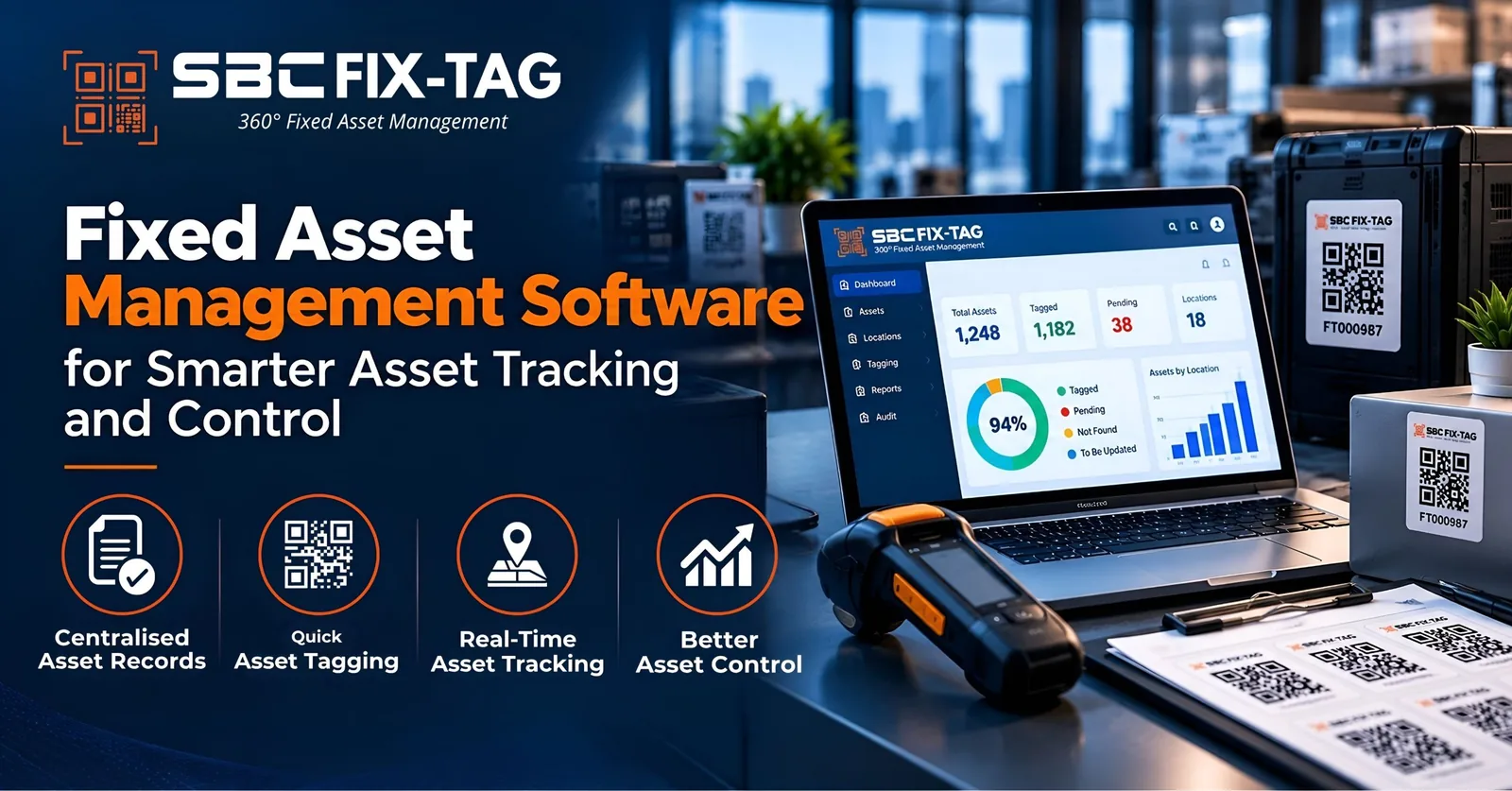
| Tag | Asset | Book value | Floor |
|---|---|---|---|
| FT-00412 | CNC lathe | ₹18,40,000 | Verified |
| FT-00987 | Ventilator | ₹6,25,000 | Verified |
| FT-01203 | Laptop (i7) | ₹72,500 | Not found |
| FT-01510 | Diesel generator | ₹11,90,000 | Verified |
| FT-01774 | Projector | ₹48,000 | Found, Room 118 |
| FT-02041 | Server rack | ₹4,10,000 | Verified |
Most Indian organisations still run fixed assets on a spreadsheet that nobody has walked the floor with in years. The gap shows up at the worst time: audit season.
Scrapped, stolen or never-delivered items sit on the register, inflate the balance sheet and quietly distort depreciation and insurance premiums.
For companies covered by CARO 2020, auditors must state whether physical verification was done at reasonable intervals and whether discrepancies were dealt with. "No records" is a qualification waiting to happen.
Schedule II useful lives for the statutory books, WDV block rates for tax, componentisation under Ind AS 16. Spreadsheets drift; the two sets stop agreeing.
Printing lists, walking branches, chasing admin for transfer memos, reconciling by hand. Then doing it again next year from scratch.
Take the software on its own, bring our team on-site for tagging and verification, or both. Most customers start with a verification exercise and keep the platform.
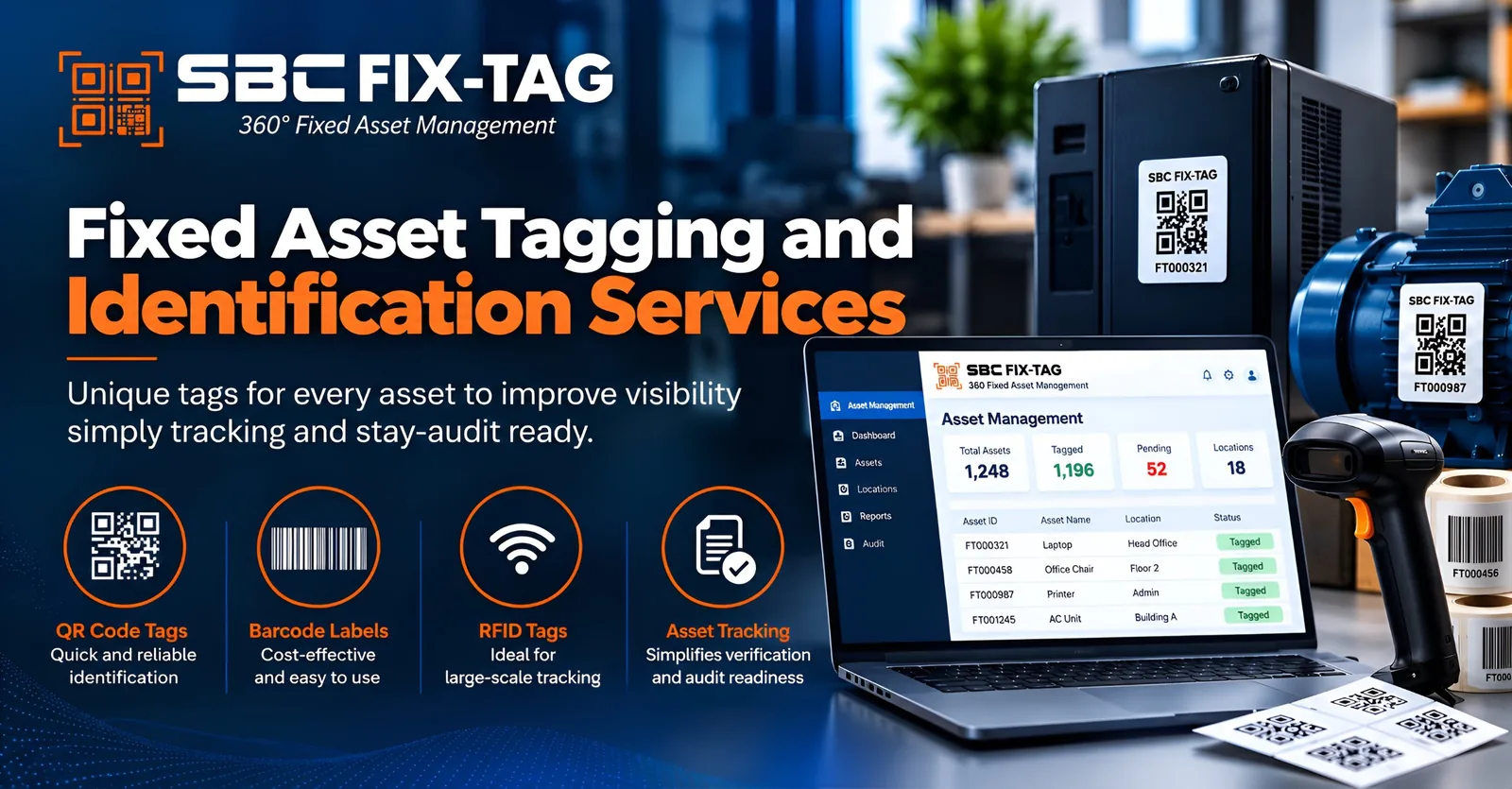
QR, barcode or RFID tags fixed on every asset by our team, with photo, location and custodian captured at the point of tagging.
Tagging services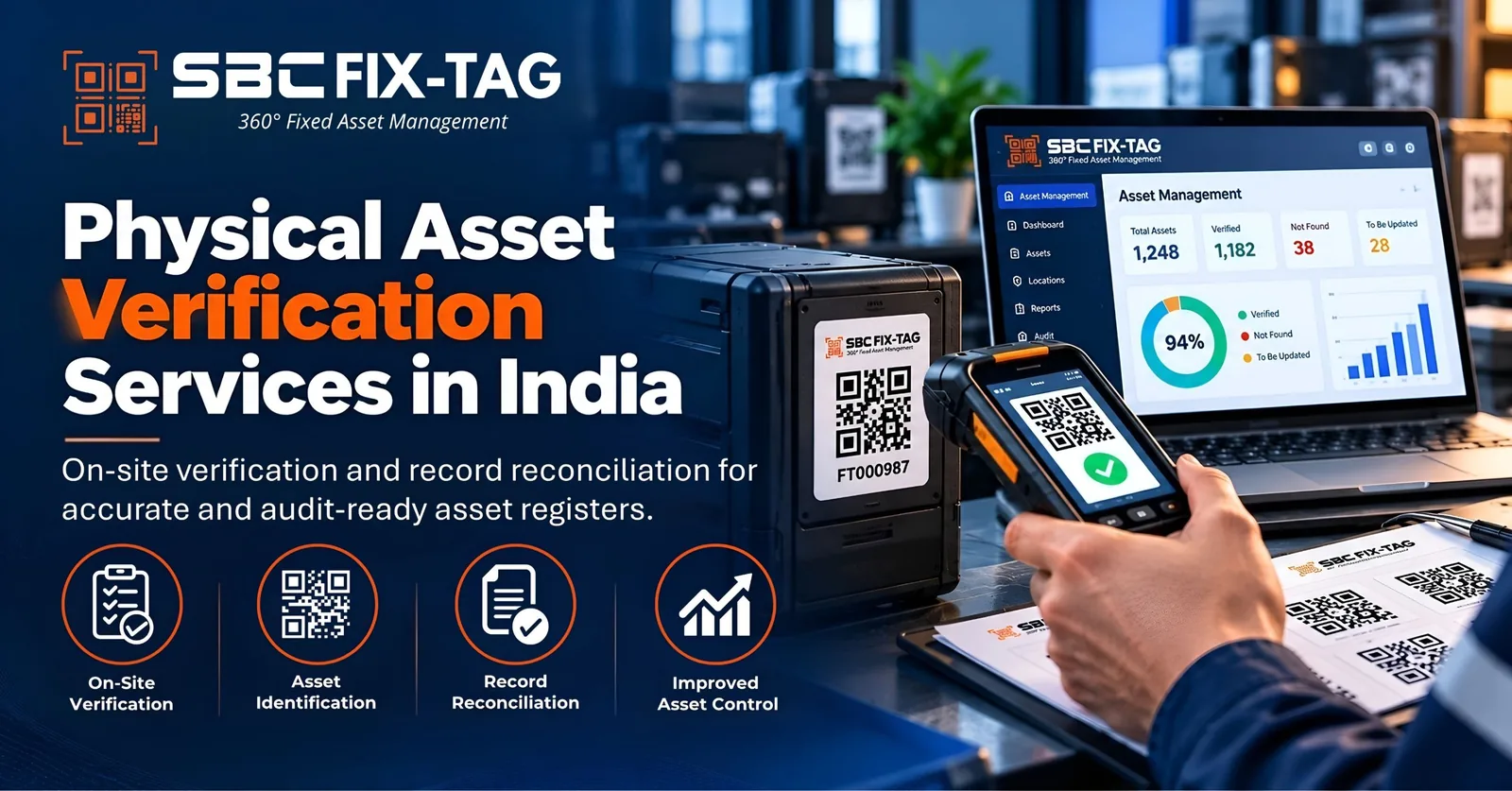
Floor-to-register verification by location, a variance register for every discrepancy, and a CARO 2020-format report that supports your auditor's review.
Verification servicesCloud register, phone scanning, dual depreciation, procurement-to-disposal lifecycle and audit trail, with India data residency.
The platformBiomedical equipment, furniture and IT across every floor and annex; the existing spreadsheet register matched to what is found; unlocated entries listed for the finance team to investigate or write off.
Plant and machinery, moulds and dies across units; large machines split into components where Ind AS 16 requires it; Companies Act and Income Tax depreciation from one asset master.
Lab equipment and hostel furniture across campuses on one register; grant-funded assets flagged for separate reporting; a re-verification cycle for the trust's auditors.
These describe typical engagements, not specific clients. Client case studies will be published here with each client's permission.
Understand the difference between physical asset verification and a fixed asset audit, including scope, process, records, reconciliation and business benefits.
Read the articlePhysical asset verification helps businesses track fixed assets, verify asset locations, identify discrepancies and maintain accurate asset records for audits.
Read the articleWhat a fixed asset register is, what it should contain, why it matters, and how to keep asset records accurate for depreciation, verification and audits.
Read the articleTell us roughly how many assets and locations you have. We'll tell you what a tagging and verification engagement would cost and how long it takes, on the same call.